Why Companies Are Replacing BI Dashboards With Software That Acts
Seeing waste doesn't recover money, so buyers need tools that act.
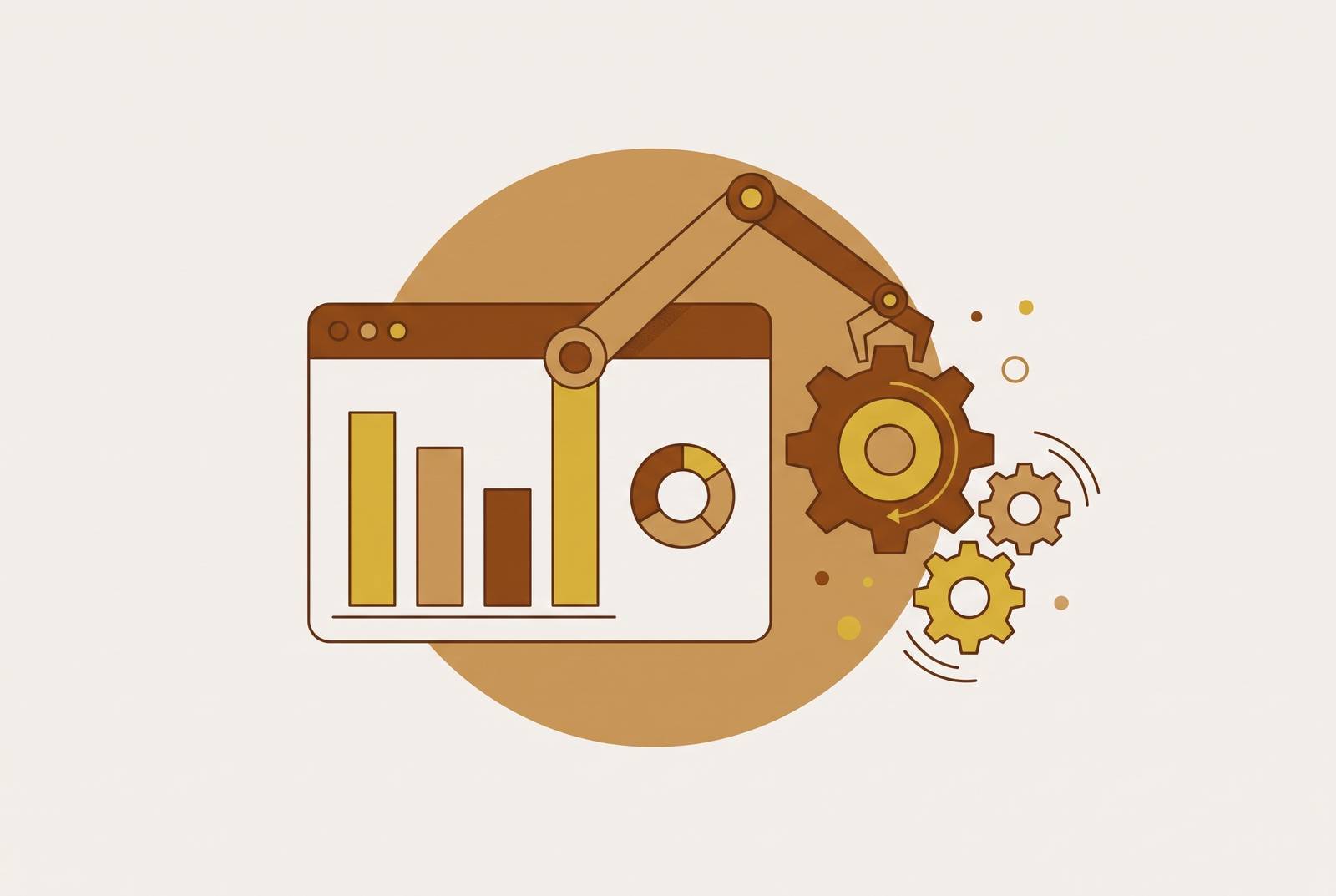
Enterprise cost optimization software earns its keep when it helps a business act on the waste it finds. The best tool for an enterprise depends on where its costs arise, which systems it must reach, and what work it can safely complete. Companies are moving beyond BI dashboards because seeing an overcharge, a dispute, or a renewal at risk does not get the money back, route the dispute, or protect the renewal.
Why the gap between a BI insight and the action it demands costs companies real money
A team pulls a report showing a spending problem. It spends days deciding what the numbers mean, who owns the response, and which system someone must use to fix it. By the time anyone acts, the numbers have moved. The report did its job, but the business still paid for the delay.
The operational distance between a report and a concrete action is the “last-mile” problem. Traditional BI was designed to answer “what happened?” It does that reasonably well. But answering that question leaves a person to decide what happens next, often through another tool, a meeting, or an email chain.
That insight-to-action gap is where time and money disappear. More data does not close it. When each finding creates another round of interpretation and coordination, companies get what practitioners call “analysis paralysis,” with answers arriving faster than people can use them. The cost also sits in the waiting between steps.
Why low dashboard adoption is a symptom of the gap, not its cause
Enterprises keep buying BI licenses and building dashboards, yet usage remains stubbornly low. Bruin describes a familiar pattern in its 2026 comparison, where a requested dashboard arrives three months later and then nobody opens it. This account reflects the perspective of a vendor describing its own market. Even so, the complaint points to a mismatch between reporting delivery and the pace of decisions.
The charts need not be wrong for the product to go unused. The semantic layer, which gives the numbers their shared definitions, can stay tied to views that stay the same while business questions change. Getting an answer to the new question then takes another request or another dashboard.
Better training can help people use an existing view. It cannot make that view answer every new question or complete the work that follows. Only 16% of organizations achieve full Power BI dashboard adoption, making unused coverage a budget concern as well as a behavior signal. Displaying information and helping someone act are different jobs.
What “acting software” actually does differently — and why the architecture matters
Acting software changes where the work begins. Instead of waiting for a user to open a dashboard, interpret an insight, and arrange a response, it monitors data, detects a change, and brings forward an action with context. This is a shift from systems of record to systems of action. The distinction is structural.
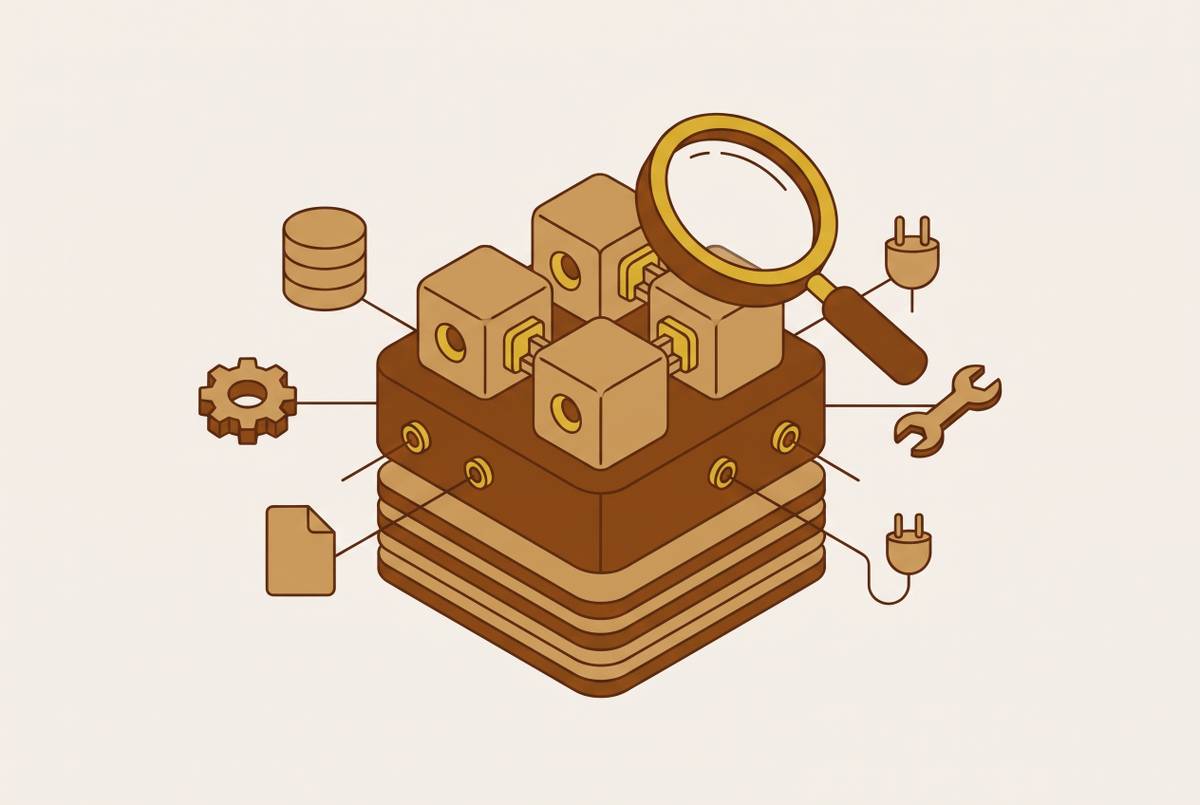
Proactive monitoring supplies the first part of that change. The system watches defined metrics continuously. Cross-system reach supplies the next part, using APIs and permissions frameworks to work across tool boundaries. That reach is essential because the information that reveals a problem and the system needed to resolve it may sit apart.
The system prepares a response and names the right person, so the human approves or redirects. “Smart KPIs” describes metrics that adapt to changing conditions and connect to operational workflows. They can trigger a response.
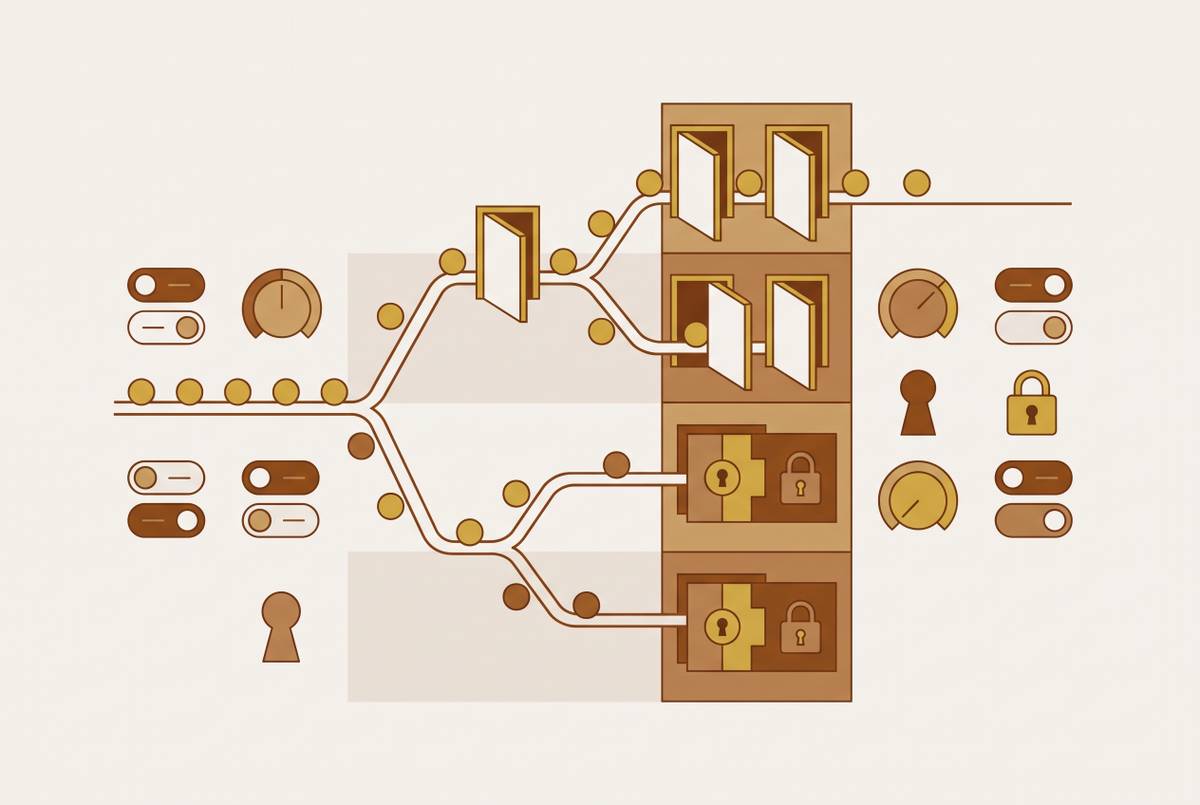
That ability also introduces a stricter design requirement. Software that acts must explain what it did, why it did it, and who approved it. Auditability cannot be an optional extra. A stale chart can mislead a reader, while an ungoverned action can change the business itself.
Where acting software closes the gap in practice — finance, procurement, and revenue protection
Manual invoice processing requires labor, error correction, and time, while software that flags overcharges and routes disputes as invoices arrive can compress the cycle from days to minutes. Purchases that bypass approved suppliers create another opening. Detecting that pattern and quantifying the premium as it happens gives the business a chance to respond before a quarterly report arrives.
Jabil, the global manufacturing solutions provider, used Coupa to bring its indirect spend under management. It centralized millions of purchase orders and applied AI classification to reach near-complete spend visibility within months, unlocking multi-million-dollar process improvements. The work extended beyond producing another spending chart.
IBM offers a broader internal deployment example. It runs its own business as “client zero” for its AI products. CEO Arvind Krishna told analysts that IBM exited 2025 with multi-billion-dollar annual run-rate savings and expects further gains by the end of 2026. That stated run-rate leaves the total of savings realized unconfirmed.
A dashboard can show falling customer usage or repeated complaints without prompting a timely response. Acting software connects those signals to renewal risk, drafts the follow-up, and routes it to the right person. The purpose is to intervene before the renewal conversation is already lost.
What is the best cost optimization tool for enterprise, and what should buyers evaluate?
A dashboard builder, a procurement platform, and a cloud cost tool each do a different job. The useful comparison starts with the job. Buyers need to distinguish software that answers a question from software that can complete the resulting work.
AI-native dashboard builders shorten the path from a prompt to a usable view. Bruin combines the data pipeline, semantic context, AI analyst, and dashboard builder in one product, loading, modeling, and quality-checking the underlying data. That positioning is as of November 2026. Basedash fits teams seeking prompt-to-dashboard without a large BI rollout, while Power BI Copilot brings natural-language generation to Microsoft’s installed base.
Conversational analytics makes the dashboard optional. Dot connects to a warehouse and answers questions directly, with a free plan and paid Pro, Team, and Enterprise tiers. Looker with Gemini and Omni also occupy this layer. They fit buyers whose main need is to get answers.
Traditional BI suites add AI to the governance they already have. Tableau Pulse, Power BI Copilot, and Looker extend mature semantic layers with natural language, with heavier setup but stronger auditability for board and finance numbers. The categories overlap. A product’s AI label alone does not tell a buyer whether it monitors a problem, prepares a response, or executes a task.
General AI assistants now build dashboards too. OpenAI’s Data agent for ChatGPT Work launched on 10 September 2026, building dashboards from a connected warehouse. Anthropic released Claude Dashboards as a beta on 8 October 2026. Both offer a faster starting point when the company already uses the assistant and its data team keeps the warehouse modeled and tested.
Suplari automatically classifies spend, normalizes data from multiple ERP sources, and delivers over 175 prebuilt insights. Its Suplari Actions capability introduces autonomous agents for multi-step procurement tasks, including overcharge detection and automatic dispute workflow launching. Coupa differentiates through Community Intelligence, using anonymized, aggregated network data to benchmark pricing against what comparable organizations pay, while GEP SMART unifies spend visibility across disparate ERPs.
Back-office automation does the work of the process itself. Microsoft Power Automate fits Microsoft-centric organizations that want to spend less and get it running sooner. UiPath and Automation Anywhere fit processes that handle large volumes of work and use legacy systems with enterprise-grade orchestration and governance, though their licenses cost much more. The choice depends on both the task and the systems in which it must run.
CloudZero links what a business spends on AI and cloud to the results it gets. Portkey provides an LLM gateway and observability and control layer with routing, guardrails, governance, and cost controls. Datadog LLM Observability fits teams already using Datadog and is also available standalone, while CAST AI addresses Kubernetes AI infrastructure.
Flexera launched its dedicated AI Cost Management product in June 2026. It tracks token and credit consumption across ChatGPT, Claude, and Copilot, and models from Anthropic, OpenAI, Gemini, and Llama served through AWS Bedrock and Microsoft Foundry. To cover Bedrock, it uses a separate Cloud Cost Optimization component that is part of the broader Flexera One platform.
Finance and operations teams may need to connect HR, finance, sales, support, and procurement because the money gap falls between them. For that buying decision, relevant criteria include cross-system access, shared definitions, prepared next steps, approval controls, and measurable results.
Three objections that slow adoption — and what the evidence actually says about each
The first objection is correct in its premise. Dashboards are not dead, and teams still need them. Numbers for the board and finance teams need governed definitions that every chart uses in the same way. The workable division is acting software for operational decisions and recurring workflows, with a small set of governed dashboards for exact reporting and both reading from the same definitions.
The second objection is more serious. Bad data can break acting software faster and less visibly than it breaks a chart, because a human reader can interpret and cross-check messy information. Siloed systems, inconsistent supplier records, and missing spend coverage therefore constrain deployment. Deployment should proceed in sequence, starting read-only and agreeing what the system can see before allowing it to act. Data readiness is a precondition.
Savings estimates can overstate adoption while understating implementation, customization, training, and ongoing governance costs. A credible case agrees the baseline, measures, owner, and time period before work begins, keeping estimates separate from confirmed results and cash saved separate from time saved. The cost of approval trails, audit logs, and human override also needs to be counted. They can slow procurement, but they also make it safer to expand.
What to get right before acting software can deliver — the conditions that determine whether it works
A practical deployment starts with one real problem, one owner, and one measurable goal. Before turning the system on, the team should agree the baseline in writing so results can be compared with numbers the organization already trusts. Setup is part of the work. A broad promise to find savings across the company is not a substitute for a defined first task.
Access should expand only after the system demonstrates a reliable view of that task. Read permission and write permission are separate decisions. The team needs to confirm that relevant records are visible and that gaps or inconsistencies will not mislead the system. This does not require cleaning all company data, but nothing should change without a person’s explicit approval.
Governance needs to be designed into that first deployment. Audit logs, an agent list, role-based approvals, and the ability to pause or revoke access establish the controls needed for expansion. Measurement must include AI costs, human review time, and correction costs, as well as the costs of waiting or getting an action wrong.
The next step is therefore narrower than replacing the BI estate. Keep governed dashboards for exact numbers, choose one operational gap, and check that both use the same definitions. Then establish its owner and baseline, grant read access, and assess the proposed actions before approving changes. That gives the enterprise a concrete test of whether the software closes a money gap.